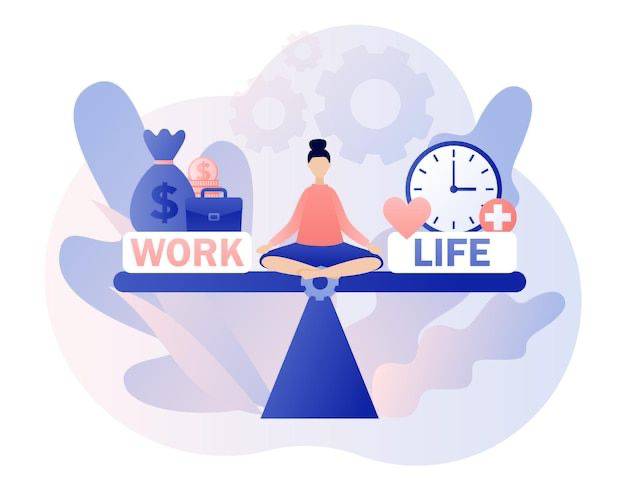
Easy Ways to Cut Screen Time and Improve Productivity
Screen time has quietly become one of the biggest productivity challenges of modern life. From work emails and meetings to social media and entertainment, most people spend a large part of their day staring at a screen.
While technology helps us work faster, too much screen exposure often leads to mental fatigue, poor focus, and burnout. The good news is that reducing screen time does not mean sacrificing productivity. In many cases, it actually improves it.
This blog explains practical and realistic ways to cut screen time while staying focused, efficient, and balanced.
Why Too Much Screen Time Reduces Productivity
Spending long hours on screens affects the brain more than we realize. Constant notifications, tabs, and multitasking force the mind to switch focus repeatedly.
This leads to:
- Faster mental exhaustion
- Shorter attention span
- Lower quality work
- Increased stress
When the brain never gets a break, even simple tasks feel overwhelming.
Productivity Is About Focus, Not Screen Hours
Many people believe productivity comes from being online all the time. In reality, productivity improves when work is intentional and focused.
Working fewer hours with full concentration often produces better results than long, distracted screen sessions. The goal is not to remove screens completely, but to use them with purpose.
Simple Habits to Reduce Screen Time Naturally
You do not need extreme changes to see improvement. Small habits make a big difference over time.
Some effective habits include:
- Planning tasks before opening devices
- Turning off non-essential notifications
- Avoiding unnecessary multitasking
- Using one app or tab at a time
These habits reduce mental clutter and help maintain attention.

How Short Breaks Improve Focus and Energy
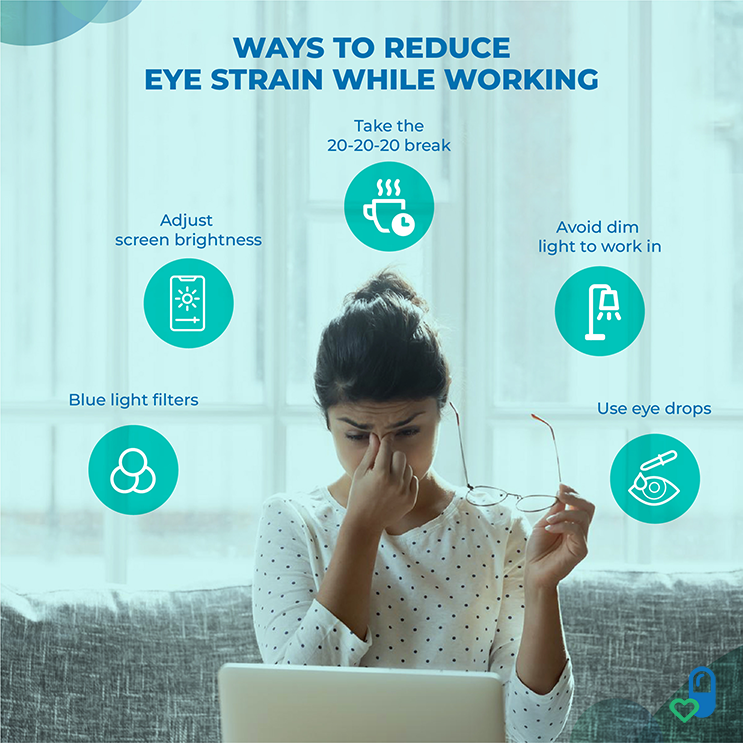
Stepping away from screens helps reset the brain. Short breaks reduce eye strain and restore attention.
Simple break ideas:
- Walking for a few minutes
- Stretching or breathing exercises
- Looking outside or away from screens
- Drinking water without checking the phone
Even five minutes away from screens can improve clarity when returning to work.
The Power of Screen-Free Mornings
The first hour of the day sets the tone for productivity. Starting the day without screens helps reduce stress and mental overload.
Instead of immediately checking notifications, try:
- Writing down priorities
- Reading something offline
- Light movement or stretching
This habit improves focus and decision-making throughout the day.
How Reduced Screen Time Improves Work Quality
When screen use is controlled:
- Tasks are completed faster
- Fewer mistakes are made
- Creativity improves
- Stress levels drop
Work feels lighter, and productivity becomes more sustainable.

Building a Healthier Digital Routine
A healthy digital routine includes balance, not restriction.
Key elements of a balanced routine:
- Defined work hours
- Scheduled breaks
- Clear start and end times
- Intentional screen use
Consistency matters more than perfection. Even small changes, when repeated daily, create lasting benefits.
Final Thoughts
Reducing screen time is not about rejecting technology. It is about using it in a way that supports focus, productivity, and well-being.
When screens are used intentionally, work becomes more efficient, energy levels improve, and daily life feels more balanced.
Small steps today can lead to healthier habits and better productivity tomorrow.